






Tailor your treatment experience | Learn moreL'Oréal Paris authorized skincare | Visit us at our spa20% off customized facials & massage | Code GUASHA20Tailor your treatment experience | Learn moreL'Oréal Paris authorized skincare | Visit us at our spa20% off customized facials & massage | Code GUASHA20
Women's health and balance

Endogenous wellbeing conversations

In sync: hormones, health, and the power of ritual

In conversation with Dr Sonia Davison, endocrinologist and women's health specialist

← Back to Wellbeing Conversation

Hormones are the body's chemical messengers — influencing energy, mood, sleep, metabolism, and reproductive health. They do not work in isolation; they connect closely to environment, stress, diet, and daily ritual.

Across life's stages — from menstruation and conception to perimenopause — understanding hormonal rhythm helps us make kinder choices for ourselves.

Reading your body's hormonal rhythm

How oestrogen, progesterone, and cortisol rise and fall through the day — and what the body signals when they are out of sync.

Women's hormones do not shift only around menstruation. Throughout the cycle, changing ratios of oestrogen and progesterone affect mood, skin, appetite, and sleep.

When stress hormone cortisol stays elevated, it can suppress reproductive hormones — leading to irregular cycles, stronger PMS, or difficulty sleeping.

Tracking one or two cycles of energy, mood, sleep, and skin is the simplest effective start to understanding your own rhythm.

Endocrine disruptors in the environment: what to know

Some chemicals in everyday products, plastics, and cosmetics may mimic or interfere with human hormone signals. Avoiding them entirely is unrealistic, but reducing exposure frequency helps.

Choosing transparent-ingredient products, avoiding heating food in plastic, ensuring ventilation, and prioritising quality sleep are practical, effective strategies.

Do not let this become anxiety — conscious choices matter more than perfection.

Small daily swaps can significantly lower the body's chemical load over time.

Healthy lifestyle

The power of ritual: stabilising the nervous system with predictable small habits

Ritual differs from habit — it carries intention and meaning. A morning hot drink, five minutes of stretching, or bedtime journaling tells the body: this moment is mine.

For hormonally sensitive people, predictable daily rhythm helps stabilise the hypothalamic–pituitary–ovarian axis and reduces extra stress from uncertainty.

Choose something you genuinely want to repeat — that has more lasting value than copying someone else's wellness list.

Morning ritual

Hormonal support across life's stages

In your twenties and thirties, focus on cycle regularity and stress management; when trying to conceive, nutrition and sleep are especially important; perimenopause may bring hot flushes, sleep disruption, and mood shifts.

No single plan fits everyone. Talking with a qualified doctor and using blood tests when needed is safer than self-supplementing hormones.

Meeting bodily change with gentleness is central work in every stage.

Cortisol and 'always tired but can't sleep'

Cortisol should rise in the morning and fall at night. Chronic stress disrupts this curve — leaving you flat by day and wired at night.

Limiting afternoon caffeine, light movement in the evening, and a fixed bedtime all help reset cortisol rhythm.

If insomnia or anxiety persists, seek professional assessment — hormones and mental health often influence each other.

Rest and recovery

How diet supports hormonal balance

Quality protein, healthy fats, and adequate fibre are basic building blocks for making and metabolising hormones. Extreme dieting or long-term very low-carb eating may disrupt menstruation and thyroid function.

A Mediterranean-style pattern — abundant vegetables, olive oil, whole grains, and moderate fish — is repeatedly linked in research to metabolic and reproductive health.

Eating itself can be ritual: slow down, notice fullness, and avoid rushed meals under stress.

Nutrition and hormones

Meet the expert

Endocrinologist and women's health specialist

Dr Sonia Davison

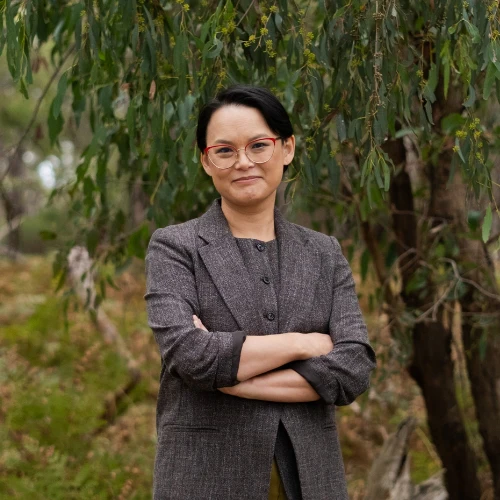
Dr Davison is a senior endocrinologist focused on women's hormonal health across the lifespan — menstruation, metabolism, perimenopause, and chronic disease prevention.

She advocates integrative care grounded in evidence and lifestyle, helping women feel understood and supported at every stage.

Portrait of Dr Sonia Davison
live chat